
20 марта 2025 г.
Scooter Accident on Koh Samui: Wound Care, Stitches and Avoiding Infection
Road rash is the island’s most common injury. Here is what to do in the first hours, when a wound needs stitches, and how the tropics change the infection rules.
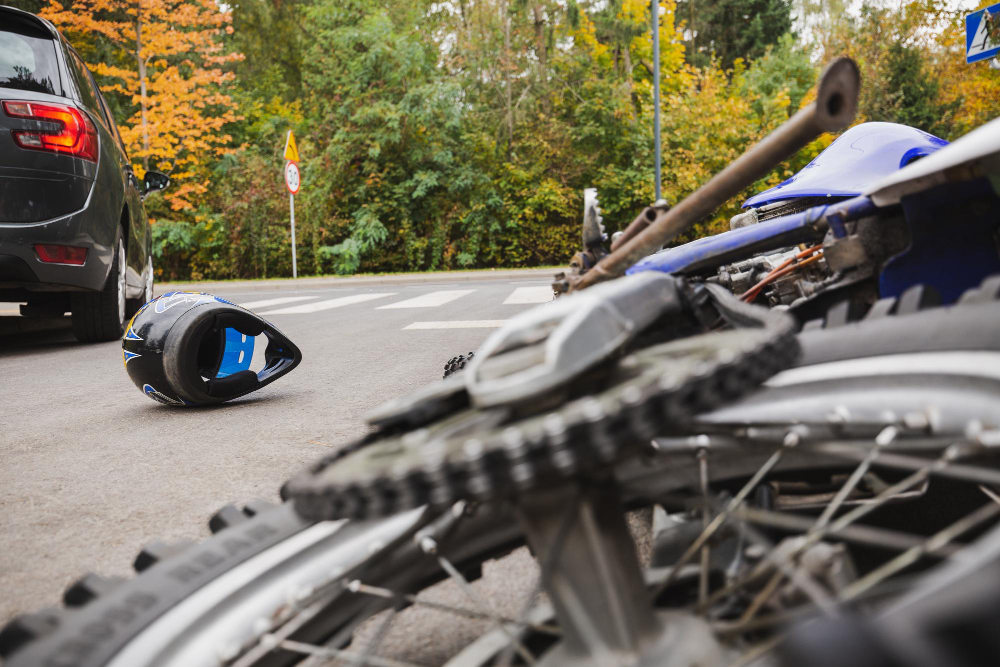
Rented scooters and unfamiliar roads make road rash the single most common injury we treat on Koh Samui. Most of it heals cleanly if it is handled properly in the first few hours — and gets complicated if it is not. Here is what to do, and what to avoid.
The first few minutes
- Get off the road to a safe spot and check yourself and others for serious injury.
- For anything major — head injury, heavy bleeding, someone not fully conscious — call Thai emergency services on 1669.
- Do not pull out anything embedded, and do not peel off clothing that is stuck to the wound.
- Control bleeding with firm, steady pressure using the cleanest cloth you have.
- Aim to reach a clinic within about two hours so the wound can be cleaned properly.
What NOT to put on it
Skip the iodine, the hydrogen peroxide and the Thai herbal creams from the pharmacy shelf. They feel like they are doing something, but they damage healing tissue and can trap dirt and bacteria in a graze. Clean water and a clean covering are far better until you can be seen.
Does it need stitches?
That depends on depth and location, which is exactly what a doctor checks. Deep cuts, wounds that gape open, and injuries over a joint usually need closing. Plenty of grazes do not — many wounds heal well with adhesive strips (Steri-Strips) instead of sutures. Getting it assessed early gives the best cosmetic result and the lowest infection risk.
The tetanus question
Any dirty wound from a road surface is a tetanus risk. A booster is recommended if your last tetanus shot was more than 5 to 10 years ago — and if you are not sure when that was, assume you are due. We can give the booster at the same visit as we clean and dress the wound.
Why infection moves faster in the tropics
Heat, humidity and sweat are ideal conditions for bacteria, so wounds here can turn from fine to infected within a day. Watch for these warning signs and come back in quickly if any appear:
- Spreading redness, warmth or swelling around the wound
- Yellow or green discharge, or a bad smell
- Red streaks tracking away from the injury
- Fever
- Pain that is getting worse rather than better
We can come to you
If you are too banged up to travel, our nurses and doctors do home and hotel visits for wound cleaning, dressing changes and follow-ups anywhere on the island. Whether you are insured or not, we will treat you and provide the documentation for any claim.
Frequently asked questions
- How soon should I get a graze cleaned? Ideally within about two hours — proper cleaning is what prevents most infections.
- Can I just use the pharmacy cream? Avoid iodine, peroxide and herbal creams on an open wound; get it cleaned and dressed properly first.
- Will I need a tetanus shot? Likely, if your last one was over 5–10 years ago or you are unsure — we can do it at the same visit.
- Do you change dressings? Yes — at the clinic or as a home/hotel visit until the wound has healed.
“A graze cleaned properly in the first two hours rarely becomes a problem. One left to a herbal cream and the heat often does.”— Samui Home Clinic